
Is IPTV legal?
You’ve probably heard about IPTV by now. Maybe a friend mentioned it, or you saw an ad promising thousands of channels for a fraction of what traditional tv charges. But before you jump in, there’s one big question on your mind: Is IPTV actually legal in the UK?
It’s a fair concern. With so many IPTV suppliers out there offering deals that seem too good to be true, you want to make sure you’re on solid ground. Understanding the legal side helps you make smart choices about where to spend your money and which services to trust.
Here’s the truth: IPTV itself is completely legal. The technology behind Internet Protocol Television is legitimate and used by major streaming platforms every day. But not all IPTV services operate within the law. Some providers stream content without proper licenses, and that’s where the legal questions come in.
In this guide, we’ll break down everything you need to know about IPTV legality in the UK. You’ll learn how to spot legal services, understand what makes unlicensed providers different, and discover safe ways to enjoy live football streaming, movies, and TV shows with confidence.
Ready to get the facts straight? Let’s get into it.
What is IPTV and How Does It Work in the UK?
IPTV stands for Internet Protocol Television. Instead of receiving TV signals through satellite dishes or cable boxes, IPTV delivers content directly over your internet connection. Think of it like Netflix or YouTube, but with live TV channels included.
When you use an IPTV service, you’re streaming video data through your home network. You can watch on smart TVs, computers, tablets, or devices like an IPTV box or IPTV Firestick. Popular apps like IPTV Smarters Pro and TiviMate IPTV player make it easy to access thousands of channels with just a few clicks.
The technology itself is perfectly legal. Major UK broadcasters already use IPTV to deliver content. BBC iPlayer, ITV Hub, and All 4 all rely on internet streaming. Even traditional TV providers have moved toward IPTV services to keep up with changing viewer habits.
But here’s where things get tricky. While the technology is legal, what matters is where the content comes from. Licensed providers pay broadcasters for the right to stream their channels. Unlicensed providers don’t. That’s the difference between staying on the right side of the law and using services that operate in grey areas.
If you want to understand more about what IPTV is and how the technology works, the basics are simple: it’s just TV over the internet. The legal questions only come up when providers skip the licensing step.
Is IPTV Legal in the United Kingdom?
Yes, IPTV is legal in the UK. The technology itself breaks no laws. You can legally subscribe to IPTV services, use IPTV apps like Smarters IPTV, and stream content on any device you own.
But there’s a catch. While the technology is legal, the content being streamed might not be. UK law is clear about this: streaming copyrighted content without the proper licenses isn’t allowed. If an IPTV subscription offers premium channels, pay-per-view events, or soccer streams without paying broadcasters for those rights, it’s operating outside legal boundaries.
The confusion comes from the fact that many people assume all IPTV services are the same. They’re not. Some providers operate legally by securing broadcasting rights. Others cut corners to offer cheaper prices, and that’s where the problems lie with the services themselves.
When you stick with a licensed IPTV service, you’re watching legally and safely. The issues only affect unlicensed services and the people operating them.
So if you’re wondering whether your IPTV subscription is legal, the key question is: Does the provider have the rights to stream the content they’re offering? If you’re using a licensed, verified service, you’re completely in the clear and watching legally with no worries.
The Difference Between Legal and Illegal IPTV Services
Not all IPTV providers are created equal. Some follow the rules, pay for licenses, and operate openly. Others fly under the radar, offering suspiciously cheap deals with no transparency about where their content comes from.
Here’s how to tell the difference.
Legal IPTV Services
Legal IPTV services have agreements with broadcasters and content owners. They pay licensing fees to stream channels and shows, which means they’re allowed to offer that content to subscribers. These providers operate openly, have clear terms of service, and usually accept standard payment methods like credit cards and PayPal.
Examples of legal services include platforms like United Kingdom IPTV™, NOW, Hulu (in supported regions), and YouTube TV. These are legitimate businesses that follow UK broadcasting laws.
Unlicensed IPTV Services
Unlicensed IPTV services don’t have the right to stream the content they offer. They source channels through methods that bypass licensing fees, often by redistributing streams without permission. These providers usually advertise on social media, use less common payment methods, and sometimes disappear when authorities investigate them.
Signs of an unlicensed service include:
- Prices that seem unusually low (thousands of channels for under £10 a month)
- Limited company information or contact details
- Payment only through cryptocurrency or prepaid cards
- Claims of “lifetime access” or “IPTV free trial” with no verification
- Channels from multiple countries bundled together with no clear explanation
- No proper terms of service or privacy policy
Using these services means you’re taking chances. You could lose access without refunds, deal with unreliable streams, or encounter security issues with your personal data.
Legal IPTV Services You Can Trust in the UK
If you want to stay on the right side of the law, stick with licensed providers. Here are some of the top legal IPTV options available in the UK.
United Kingdom IPTV©
United Kingdom IPTV is a Legal UK IPTV service that is built around flexibility, and it’s known for its servers’ stability and quality. It offers a wide range of channels, including UK and international content. The service provides access to live football streaming, movies, and TV shows with flexible subscription plans. It works with popular apps like IPTV Smarters Pro and TiviMate and most Devices such as Firestick, Smart TVs, Android, IOS, and IPTV box devices without much setup, which makes it practical for everyday use. Pricing is competitive compared to traditional cable and to other IPTV UK services, with options for single or multi-device plans that suit different household sizes. The service offers straightforward setup and good customer support.
NOW (Formerly NOW TV)
NOW offers live channels and on-demand content. You can subscribe to different passes for entertainment, sports, or movies. It works on most devices, and it’s good for people who don’t care about flexibility and customizing their own channel packages. However, you’ll need separate passes for different types of content, which can add up quickly. Fans may find the pricing high, especially if they want access to all your favorite matches. Each pass is sold separately, so costs can climb if you want variety. But it’s still a good option compared to cable.
YouTube TV
YouTube TV provides access to live TV channels, cloud DVR, and on-demand content. It works o almost every device. It’s easy to use and works across devices. The downside is that it’s not officially available in the UK without workarounds, and the channel lineup is focused on US networks. Pricing can also be steep for UK users when converted from dollars, and you’ll need additional steps to access it from Britain.
Hulu Live TV
Hulu offers live TV channels along with its streaming library. It’s a solid option if you’re in the US, but like YouTube TV, it’s not available in the UK without a VPN. The service also has regional restrictions that limit what you can watch, and content libraries vary by location. UK users face extra hurdles and higher effective costs. It’s a good service, but it has limitations
Unlicensed IPTV Services to Avoid
While legal services follow the rules, unlicensed providers operate differently. These services promise huge channel lists and low prices, but they come with drawbacks you should know about.
Why Unlicensed IPTV Creates Problems
Unlicensed IPTV services stream content without proper agreements. They don’t pay broadcasters for the rights to show channels, which means the services themselves are operating illegally. When authorities take action, they go after these service providers and their operations.
UK authorities have been shutting down illegal IPTV operations for years. In 2021, several major piracy rings were dismantled. The legal action targets the people running these services and their infrastructure.
Beyond the legal aspects, unlicensed services are unreliable. Streams freeze, channels disappear, and customer support is often nonexistent. You might pay for a year upfront only to find the service shut down a week later with no way to get your money back.
Common Red Flags of Questionable IPTV Providers
Watch out for these warning signs:
- Advertised mainly on Facebook groups or unofficial websites
- No verifiable company information or business address
- Payment only through untraceable methods like cryptocurrency
- Promises of “unlimited channels” or “lifetime access.”
- No clear terms of service or privacy policy
- Prices that are far below what licensed services charge
- Vague answers about content licensing when asked
If a deal looks too good to be true, it often is. Licensed providers cost more because they’re paying for content rights, which is how the entertainment industry works.
The Legal Side of Using IPTV in the UK
Using an unlicensed IPTV stream isn’t just about licensing. It’s about understanding what you’re getting into and the potential consequences.
What UK Law Says
Under UK copyright law, the real issue is with unlicensed services themselves and the people running them. Authorities focus on shutting down illegal operations and prosecuting those who provide pirated content.
If you’re using a properly licensed IPTV service, you’re watching completely legally. There’s no grey area when you stick with verified providers that have proper broadcasting agreements.
For those running illegal services, penalties can include:
- Fines up to £5,000 or more
- Prison sentences for serious offenses
- Criminal records
The key takeaway: choose a licensed provider, and you’re watching legally without any concerns.
H3: What Broadcasters Are Doing
traditional tv services actively work to shut down illegal IPTV operations. They invest millions in tracking down unlicensed services and taking legal action against the people running them. The focus is on stopping the source of pirated content, not going after individual viewers.
When you use a licensed service, you’re supporting the content creators and broadcasters properly. You’re also getting a reliable service that won’t suddenly disappear.
H3: Data and Privacy Concerns
Unlicensed IPTV services often require you to download apps or share personal information. Since these providers operate outside normal business channels, they have less reason to protect your data properly. Your payment details, email address, and viewing habits could be at risk.
Some questionable services also include apps that aren’t properly vetted. Once installed, these programs might have security holes or collect data you didn’t agree to share.
The bottom line: using unlicensed IPTV comes with uncertainties. The money you save upfront might not be worth the headaches later.
H2: How to Choose a Legal IPTV Service in the UK
If you want to enjoy IPTV with confidence, here’s how to pick a safe and reliable provider.
H3: Check for Licensing and Transparency
Legal IPTV providers are upfront about their licensing. They’ll have clear information about which channels they offer and how they’ve secured the rights to stream them. If a provider can’t explain where their content comes from, that’s a warning sign.
Look for companies with verified contact information, terms of service, and privacy policies. Licensed providers operate openly and aren’t afraid to show who they are. Check if they have a real business address, proper customer service, and established payment systems.
H3: Compare Pricing and Features
Legal services cost more than pirated ones, but that’s because they’re paying for the content. Compare what different providers offer and see which one fits your needs.
Do you want live football streaming? Check if the service includes sports channels. Are you interested in international content? Make sure they have channels from the regions you care about. Look at what devices they support and whether they allow multiple connections.
Some legal services offer IPTV free trial periods so you can test the platform before committing. Take advantage of these trials to see if the service meets your expectations. Test the stream quality, check the channel lineup, and make sure the app works on your devices.
H3: Read Reviews and Ask Questions
Before signing up, research the provider. Look for reviews from real users, licensed services usually put the review directly from WhatsApp, and they show their relationship with their clients, and you can also check forums or social media. If the provider has a history of legal problems or shutdowns, you’ll find out quickly.
Don’t be afraid to ask questions either. Legitimate providers have customer support teams that can answer your concerns. If they dodge questions or refuse to answer directly, that’s a sign to look elsewhere.
Check review sites, tech forums, and social media groups. Real user experiences tell you more than marketing materials ever will.
H3: Use Trusted Apps and Devices
Stick with well-known IPTV apps like IPTV Smarters Pro or TiviMate IPTV player. These apps are safe to use and compatible with most legal services. Avoid downloading random APK files from untrusted sources, as they could contain security issues.
If you’re using an IPTV Firestick or IPTV box, make sure you’re installing apps from official stores or verified sources. This reduces the chances of running into technical problems or security concerns.
H2: IPTV vs Cable TV: Which is the Better Option?
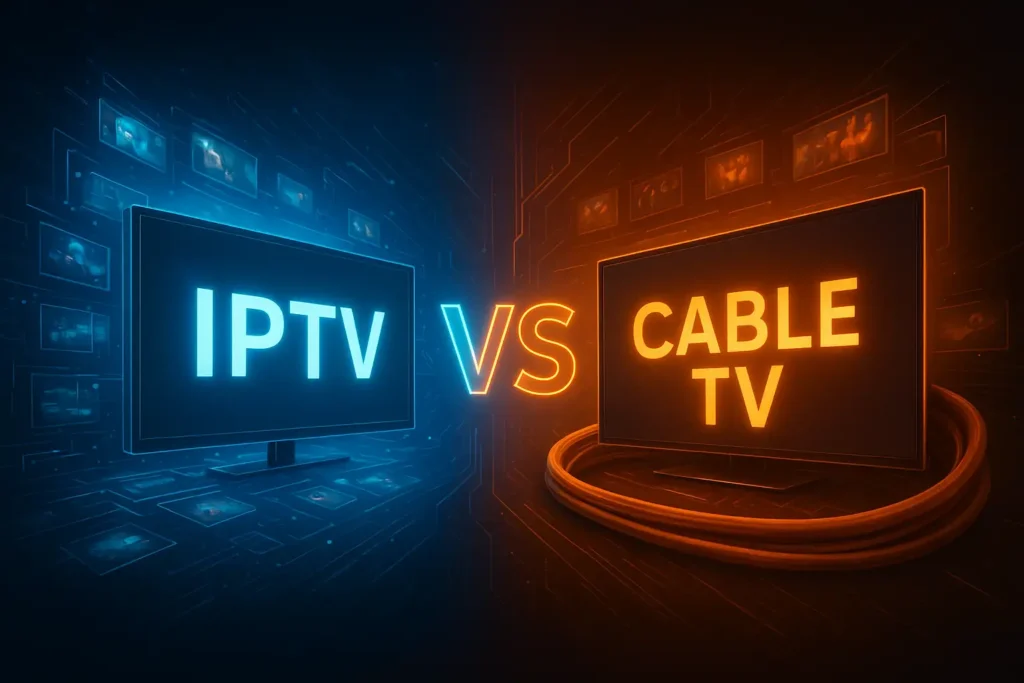
Choosing between IPTV and traditional cable depends on what you value most. Both have their strengths, but IPTV offers more flexibility and often lower costs.
H3: Cost Comparison
Cable TV packages in the UK can cost £50 to £100 a month, depending on the channels you want. IPTV subscription UK services are often cheaper, with prices starting as low as £10 to £20 a month for basic plans from licensed providers.
Legal IPTV providers also let you pay only for what you want. Instead of bundling channels you’ll never watch, you can pick specific categories like sports or entertainment. This means you’re not paying for content you don’t use.
H3: Flexibility and Convenience
With cable TV, you’re tied to a box in your living room. IPTV lets you watch on any device with an internet connection. You can start a show on your TV, pause it, and pick up where you left off on your phone.
This flexibility is a huge advantage for people who travel or want to watch on the go. Whether you’re commuting, on vacation, or just moving between rooms, your content goes with you.
H3: Channel Selection and Content
Cable TV offers a fixed lineup of channels based on your package. IPTV services often include international channels, niche content, and on-demand libraries that cable can’t match. You get more control over what you watch and when you watch it.
British IPTV services give you access to UK channels plus international options, all in one place. No need for multiple subscriptions or switching between services.
For more details on the differences, check out this comparison of IPTV vs Cable TV.
H3: Installation and Setup
Cable TV requires professional installation and equipment rental fees. IPTV just needs an internet connection and a compatible device. Setup takes minutes instead of scheduling appointments and waiting for technicians.
You can start watching immediately after subscribing, with no drilling holes or running cables through your house.
H2: How to Stay Safe While Using IPTV in the UK
Even if you’re using a legal IPTV service, it’s smart to take extra steps to protect your privacy and security.
H3: Use a VPN for Added Privacy
A VPN (Virtual Private Network) encrypts your internet connection and hides your activity from your ISP. This is useful if you’re worried about your internet provider tracking what you watch or slowing down your connection during peak times.
VPNs also help you access geo-restricted content if you’re traveling outside the UK. Just make sure you’re still using a legal service, as a VPN doesn’t change the licensing status of what you’re watching.
Choose a reputable VPN provider with good speeds and UK servers. Free VPNs often have data limits and slower connections that hurt your streaming quality.
H3: Keep Your Devices Updated
Make sure your smart TV, IPTV box, and apps are always running the latest software. Updates patch security holes that could be exploited and improves overall performance.
Enable automatic updates when possible, so you don’t have to remember to check manually. Most devices make this easy in their settings menus.
H3: Avoid Shady Websites and Apps
Only download IPTV apps from trusted sources. Avoid clicking on ads or links promising “free access” to premium channels. These are often designed to collect your data or install unwanted software.
Stick to official app stores like Google Play, Amazon Appstore, or Apple App Store when possible. If you need to sideload an app, make sure it’s from the official website of a known provider.
H3: Monitor Your Subscriptions
Usually, licensed services don’t use Auto-Payments. Although if from a service you don’t trust, keep an eye on your bank statements and email for any unusual activity. If you see charges you didn’t authorize, contact your bank immediately. Set up alerts for transactions over a certain amount,
Use strong, unique passwords for your IPTV accounts, and enable two-factor authentication if the service offers it.
H3: Protect Your Home Network
If you buy UK IPTV from a service that you don’t trust or that looks shady, please secure your Wi-Fi with a strong password and WPA3 encryption if your router supports it. Change default router passwords and disable remote management unless you need it.
Consider setting up a guest network for IPTV devices if your router allows it. This keeps your streaming separate from your main network, where you do banking and other sensitive activities.
H2: Common Questions About IPTV Legality in the UK
H3: Can I Get in Trouble for Using IPTV?
Using legal, licensed IPTV services is completely safe and legal. You’re watching content the same way you would on any legitimate streaming platform. The legal issues exist with unlicensed services themselves and the people who run them that don’t have the required licence, not with viewers using proper licensed providers.
H3: How Can I Tell if My IPTV Service is Legal?
Check if the provider openly discusses their licensing agreements. Legal services will have clear company information, proper payment methods, and transparent terms of service. If they avoid questions about licensing or have vague answers, that’s a warning sign.
H3: Are All Cheap IPTV Services Illegal?
Not necessarily, but extremely low prices are often a red flag. Legal services have costs to cover, including licensing fees. If a service offers thousands of channels for just a few pounds per month, question how they’re covering their costs.
H2: The Future of IPTV in the UK
IPTV is growing fast, and it’s not going anywhere. More people are cutting the cord and switching to internet-based TV services every year. Traditional broadcasters are adapting by launching their own IPTV platforms, and new providers are entering the market with better features and competitive pricing.
As internet speeds improve and 5G networks expand, IPTV will become even more accessible. Streaming quality will get better, buffering will decrease, and more people will have the option to ditch cable for good.
The UK government is also working on clearer regulations for IPTV services. As the industry matures, expect more defined lines between legal and illegal services, making it easier for consumers to make informed choices.
Technology improvements mean better streaming quality, more reliable connections, and easier setup processes. The barrier to entry keeps dropping, making IPTV accessible to everyone, not just tech-savvy users.
But with growth comes increased attention from authorities. UK law enforcement continues to shut down unlicensed IPTV operations, and broadcasters are investing in technology to track down services operating without licenses. The environment is shifting toward legitimate, licensed services.
For consumers, this means one thing: licensed providers are becoming more competitive and offering better value. The gap between legal and illegal services is narrowing in terms of price and features, making the choice to go legal easier than ever.
H2: Making Smart Choices About IPTV
The IPTV market offers more options than ever before. You can find services that match any budget and content preference. The key is knowing what you’re getting and making informed decisions.
Licensed IPTV providers invest in proper infrastructure, customer support, and content rights. This means better reliability, fewer shutdowns, and actual help when you need it. Yes, they cost more than sketchy alternatives, but you get what you pay for.
Think about what matters to you. Do you want reliable soccer streams that don’t cut out during important matches? Do you need customer service that responds when something goes wrong? Are you willing to pay a fair price for legal content?
These questions help you decide which service fits your needs. IPTV subscription costs vary widely, but remember that extremely cheap services usually cut corners somewhere, whether that’s licensing, reliability, or customer support.
H2: Final Thoughts: Stay Legal, Stay Smart
So, is IPTV legal in the UK? Yes, absolutely, but only when you’re using a licensed provider. The technology itself is completely legal, and there are plenty of legitimate services to choose from. The questions only arise when providers skip the licensing step.
If you want to enjoy live football streaming, movies, and TV shows with confidence, do your homework. Research providers, check for proper licensing, and avoid deals that seem unrealistic. Legal IPTV might cost more than questionable alternatives, but it’s worth it for the reliability and peace of mind.
Don’t take unnecessary chances. Choose a British IPTV provider you can trust, verify they’re operating legally, and enjoy streaming without the worries. Read reviews, ask questions, and take advantage of trial periods to test services before committing.
The UK IPTV market has excellent legal options that offer great value. You don’t need to use sketchy services to get good content at reasonable prices. Licensed providers are more competitive than ever, with features and pricing that make them attractive choices.
Ready to make the switch? Start by exploring legal options, testing out IPTV free trial offers, and finding the service that fits your needs. Your next binge session is just a few clicks away, and this time, you’ll know you’re doing it the right way. Whether you want sports, movies, international channels, or all of the above, legal IPTV has you covered.
FAQs – Is IPTV Legal?
Yes, IPTV is completely legal in the UK. The technology is legitimate. What matters is using a licensed provider with proper broadcasting rights.
No, absolutely not. The only thing that can happen is your service gets shut down if you’re using an unlicensed provider. That’s why choosing a licensed British IPTV service is the smart choice.
Legal services have clear company details, proper payment methods, and transparent terms. They openly discuss their licenses. Red flags include very cheap prices, cryptocurrency-only payments, and vague answers about licensing.
Licensed providers pay for broadcasting rights and operate as real businesses. Unlicensed services don’t have proper agreements. Licensed means reliable streams and customer support. Unlicensed means the service could disappear anytime.
No, not if you’re using a legal IPTV subscription. A VPN can help with privacy and preventing ISP throttling, but it’s optional for licensed services.
Yes, completely legal. IPTV Smarters Pro and TiviMate are just media players. What matters is connecting them to a licensed IPTV provider.
Yes! Licensed UK IPTV services with sports rights let you watch EPL, EFL and other soccer streams completely legally.
The service disappears, you lose access, and there’s no refund. Licensed providers operate as real businesses, so you’re protected.
Look for services with clear licensing, transparent pricing, and good customer support. Services like United Kingdom IPTV© provide licensed content with flexible plans, easy setup, and work with popular apps like IPTV Smarters and TiviMate.